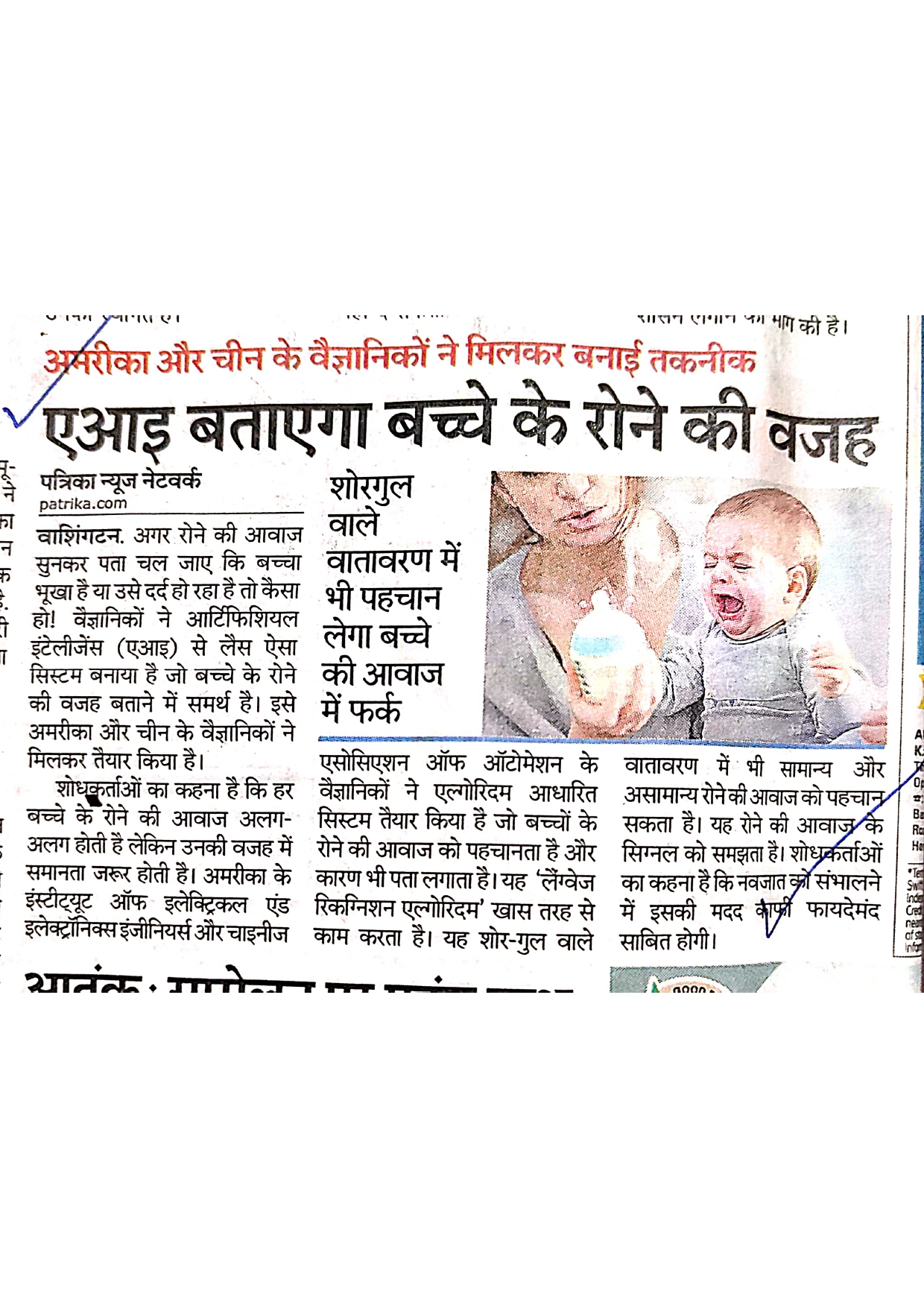
Decades before modern Artificial Intelligence, a pediatrician from Rajasthan pioneered Acoustic Diagnostics—converting an infant's cry into life-saving data.
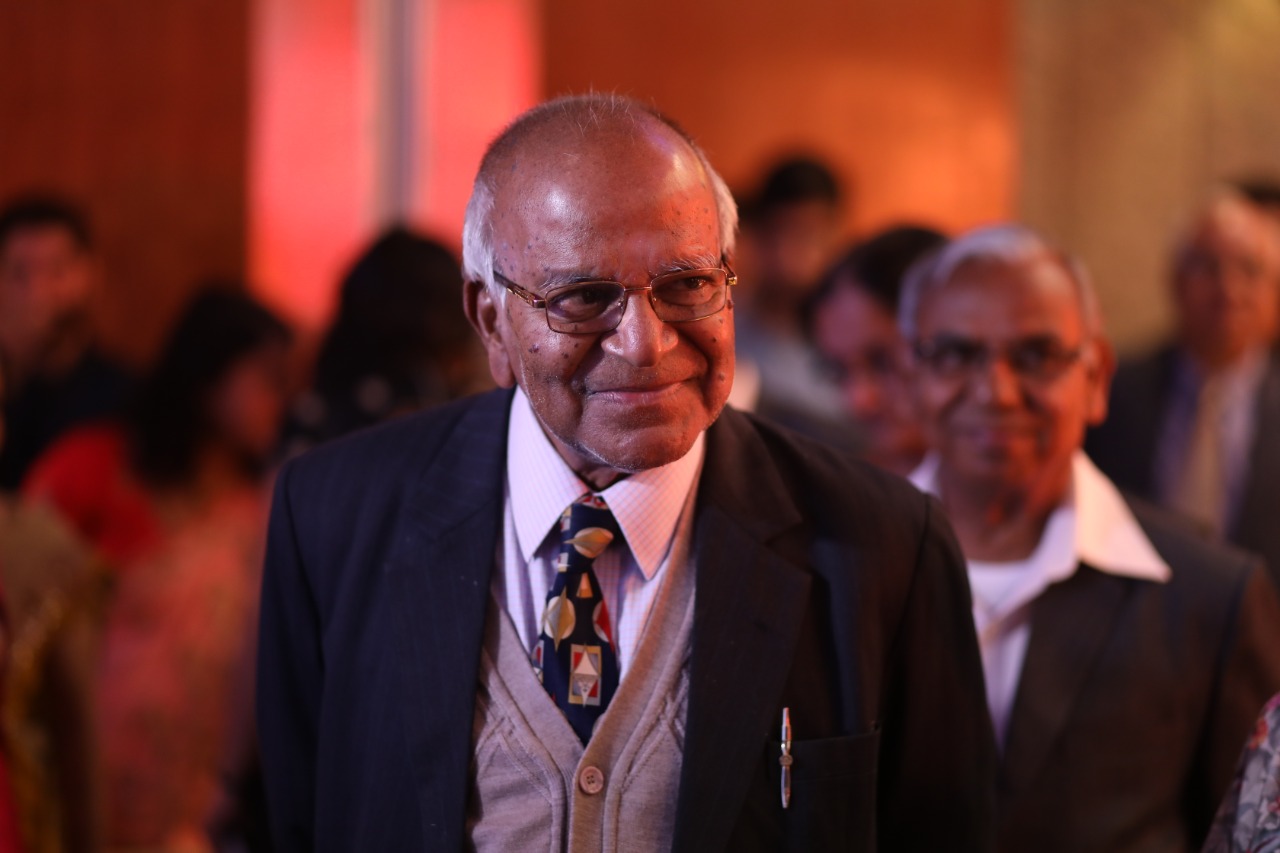
In 1982, at the National Conference of Japan, Dr. S.P. Sudrania presented a concept that challenged the boundaries of modern pediatric medicine: The Electrocrygram.
Based on C.V. Raman's theories of sound, Dr. Sudrania developed a method to convert the sound energy of a baby's cry into electrical energy, generating a highly specific graph. Long before the term "AI" became a global buzzword, he was executing acoustic algorithmic diagnostics.
With this technology, Dr. Sudrania could diagnose hereditary diseases like epilepsy, leukemia, renal failure, and congenital heart disease in newborns up to two years of age—simply by analyzing the frequency, pitch, and amplitude of their cries.